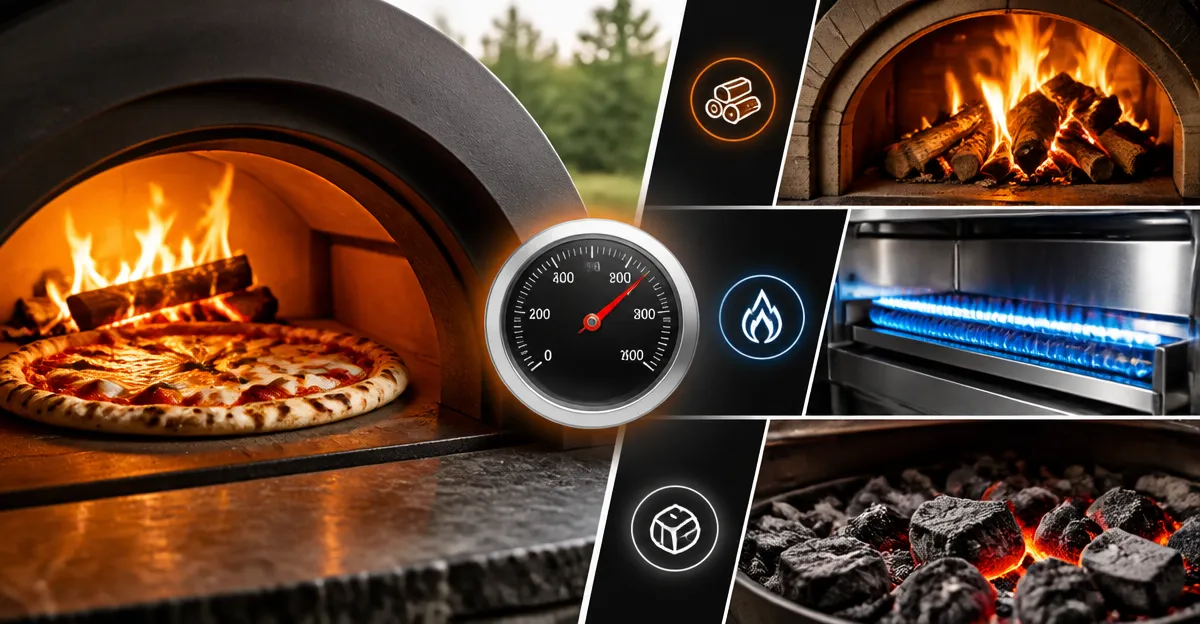
How to Reach 700°F in a Pizza Oven: Step‑by‑Step, Safe Techniques for Wood, Gas & Charcoal Ovens
Introduction
Achieving a consistent 700°F (371°C) is the cornerstone of authentic Neapolitan‑style pizza. At that temperature the crust bubbles, chars, and develops the signature leopard‑spot pattern while the toppings remain moist. This guide explains the physics of heat, the preparation of fuel, and the precise actions required to reach and maintain 700°F safely in three common oven types: wood‑fired, gas‑fired, and charcoal‑fired. Readers will gain confidence to produce restaurant‑quality pies at home without compromising safety.
The information is organized into actionable steps, professional product recommendations, and troubleshooting advice. Even readers who prefer a minimalist approach can follow the core techniques, while those who enjoy specialized tools will find targeted suggestions.
What You'll Need
- Fuel source: seasoned hardwood logs, lump charcoal, or propane tank (depending on oven type).
- Heat‑resistant gloves and a long‑handled pizza peel.
- Thermometer or built‑in temperature gauge to verify 700°F.
- Optional accessories: portable pizza stone, temperature‑controlled oven, or multi‑fuel oven.
- Recommended products (first mention linked):
Step‑by‑Step Instructions
Step 1: Choose the Correct Fuel and Prepare It
For wood‑fired ovens, select dense hardwoods such as oak, hickory, or maple. These woods produce a high caloric output and minimal smoke, which helps the oven climb quickly to 700°F. Split logs into 2‑3 inch pieces and let them dry for at least six months. For charcoal, use lump charcoal rather than briquettes; lump charcoal ignites faster and burns hotter, making temperature control easier. For propane, ensure the regulator is set to the manufacturer‑recommended pressure and that the hose is free of leaks.
When using an Ooni Karu 12, the custom fuel tray maximises airflow, allowing both wood and charcoal to reach peak temperatures in under 15 minutes. The tray’s design reduces ash buildup, simplifying cleanup.
If you prefer an electric solution, the Piezano 12" Electric Pizza Oven eliminates fuel handling altogether. Its 1200W heating element can achieve 800°F, providing a reliable baseline for 700°F experiments without the variability of combustion.
Step 2: Build a Consistent Fire Bed
Arrange the wood or charcoal in a pyramid shape at the base of the oven. Light the fuel using kindling and a long‑handled fire starter. Allow the flames to engulf the fuel fully before adding the remaining logs. For propane‑fired ovens such as the Ooni Koda 16, open the gas valve slowly, ignite with the built‑in igniter, and let the burner run idle for two minutes to establish a clean flame.
Maintain a steady airflow by adjusting the oven’s vent or the Ooni Karu 12’s fuel tray opening. Too much oxygen will cause the fire to burn too hot and waste fuel; too little will stall the temperature rise. The goal is a steady, orange‑yellow flame that produces a uniform heat envelope.
Step 3: Monitor Temperature with a Reliable Gauge
Place a probe thermometer near the oven floor, on the stone, and at the dome. Many modern ovens, including the BIG HORN 14" Indoor Pizza Oven, feature built‑in PID temperature controls that display real‑time readings on a digital panel. If your oven lacks a built‑in gauge, a handheld infrared thermometer can verify surface temperature within a few seconds.
When the stone registers 700°F, the oven is ready for pizza. For electric models, set the dual top and bottom controls on the Piezano to 700°F on both knobs; the built‑in thermometer will confirm the target.
Step 4: Stabilize the Heat
Once the target temperature is reached, close the oven door for 30‑45 seconds to allow the heat to equilibrate. In wood‑fired ovens, add a thin layer of ash to the fire bed; the ash acts as insulation, preventing temperature spikes. In propane ovens, reduce the gas flow to the “medium” setting and let the thermostat maintain 700°F.
The Ninja Artisan 5‑in‑1 Pizza Oven includes a “Proof” function that holds a steady 90‑700°F range, making it ideal for maintaining consistent heat while you bake multiple pies.
Step 5: Bake the Pizza
Transfer the dough to a lightly flour‑dusted peel, add sauce, cheese, and toppings, and slide the pizza onto the preheated stone. For wood‑fired ovens, rotate the pizza every 15 seconds to avoid localized burning. In electric or gas ovens, the built‑in convection fan (if present) distributes heat evenly, reducing the need for manual rotation.
Typical bake time at 700°F is 60‑90 seconds for a 12‑inch pizza. Monitor the crust’s colour; a light golden‑brown with dark speckles indicates a successful bake.
Tips & Pro Tips
- Use a pizza peel with a long handle to keep hands away from radiant heat.
- Season the ceramic stone with a thin coat of oil after each use to prevent sticking.
- For wood ovens, keep a fire‑extinguishing bucket nearby and never leave the fire unattended.
- When using the Ooni Karu 12, experiment with a mix of wood and charcoal to achieve a balanced flavour profile.
- In the Ninja Artisan, pre‑heat for 15‑20 minutes to allow the stone to reach full temperature; the pre‑heat timer ensures consistency.
Troubleshooting
| Problem | Possible Cause | Solution |
|---|---|---|
| Temperature stalls below 700°F | Insufficient fuel or blocked airflow | Add more hardwood or charcoal; open vent slightly. |
| Hot spots causing burnt edges | Uneven fire distribution | Rotate pizza frequently; spread fire evenly across the base. |
| Stone remains cool | Stone not pre‑heated or placed too far from fire | Allow stone to heat for at least 10 minutes; position stone centrally. |
| Excessive smoke | Wet wood or excessive grease | Use seasoned dry wood; wipe excess oil from toppings. |
Conclusion
Reaching and sustaining 700°F in a pizza oven is a disciplined process that blends proper fuel selection, precise temperature monitoring, and controlled airflow. By following the five steps outlined above, both novice and experienced pizzaiolos can produce authentic, blistered crusts with confidence. The recommended tools—such as the Piezano 12" Electric Pizza Oven for indoor convenience or the Ooni Karu 12 for versatile outdoor cooking—streamline each phase while preserving the traditional character of wood‑fired pizza.
Practice, patience, and safety are the three pillars of success. With these principles, every home chef can enjoy restaurant‑quality pizza whenever the craving strikes.
Products Mentioned in This Guide
Frequently Asked Questions
What fuel type is best for reaching 700°F in a wood‑fired pizza oven?
Seasoned hardwood logs with low moisture content burn hottest and most consistently for 700°F.
How can I verify that my pizza oven has reached 700°F?
Use a calibrated infrared thermometer or a built‑in gauge and check the reading before sliding in the pizza.
What safety gear should I wear when heating an oven to 700°F?
Wear heat‑resistant gloves, long sleeves, and use a long‑handled peel to avoid burns.
Can a propane gas oven achieve 700°F, and what adjustments are needed?
Yes; set the regulator to high, pre‑heat with the door closed, and use a high‑BTU burner for rapid temperature rise.
Why does my oven stall below 700°F and how can I troubleshoot it?
Common causes are damp fuel, insufficient airflow, or a clogged vent; dry the wood, open the vent, and clear any ash or debris.