Introduction
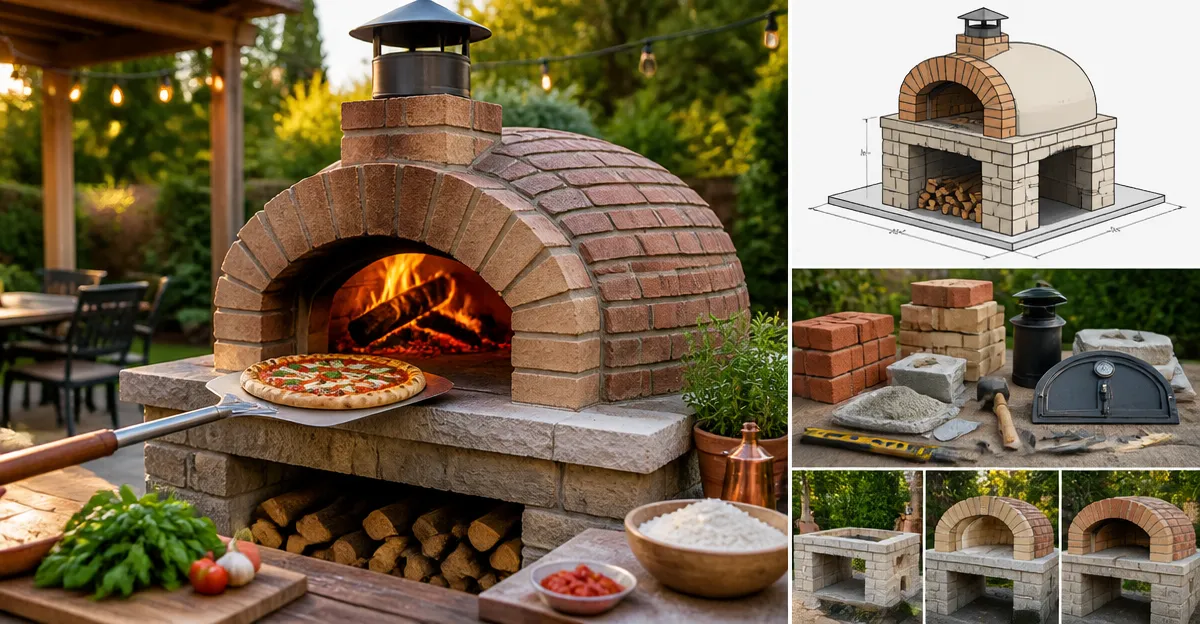
This guide explains how to design and construct a backyard wood‑fired brick oven that delivers authentic Neapolitan pizza. Readers will learn essential concepts, detailed building steps, product recommendations, a comparison chart, best‑practice tips, and answers to common questions.
The guide assumes basic DIY skills, a modest budget, and a desire for a durable oven that can also roast vegetables, bake bread, or sear steaks. By the end, one will have a complete plan and the confidence to start building.
All recommended tools and accessories are linked to reputable Amazon products, allowing readers to purchase exactly what they need.
Background and Context
Wood‑fired brick ovens have been used for centuries to bake flatbreads and pizzas at temperatures above 800°F. The high heat creates a rapid rise in dough, a leopard‑spot crust, and a smoky flavor that cannot be replicated in conventional ovens.
Key elements of a functional oven include a well‑insulated dome, a heat‑retaining firebrick floor, a vent for smoke control, and a door that can be opened for quick rotation.
Modern hobbyists often combine traditional techniques with commercially available portable ovens to test concepts before committing to a permanent structure. Products such as the Ooni Karu 12 provide a compact, high‑temperature platform that can serve as a prototype for a larger brick build.
Understanding heat dynamics, material properties, and safety considerations will ensure a successful project.
Planning Your Oven
Begin by defining the oven’s dimensions, fuel source, and intended use. A 24‑inch interior is a common size that fits a 12‑inch pizza and leaves room for a bread loaf.
Sketch a simple floor plan that includes the firebrick floor, insulating layer, and exterior cladding. Use graph paper or a digital tool to calculate the volume of bricks and mortar needed.
Consider local building codes; many municipalities require a fire‑rated base or a certain distance from structures.
Choose a location with good airflow, a flat surface, and easy access to wood. A patio slab or concrete pad works well.
Materials and Tools
- Firebricks (refractory bricks that withstand 1800°F)
- High‑temperature mortar (perlite‑based or calcium‑silicate)
- Insulating blanket or ceramic fiber (to retain heat)
- Exterior cladding (stone, stucco, or metal panels)
- Basic masonry tools (trowel, level, rubber mallet)
- Safety gear (gloves, goggles, dust mask)
If you prefer a ready‑made firebox, the BIG HORN Multi‑Fuel Oven can be integrated into the brick dome, providing a versatile wood, pellet, or gas option.
For those who lack space for a full brick oven, the Ninja Artisan Pizza Oven offers electric temperature control and a 5‑in‑1 functionality that can serve as a test unit for cooking times and dough recipes.
Indoor cooks may appreciate the Chefman Indoor Pizza Oven, which reaches 800°F and includes a pizza stone, allowing you to practice technique before moving outdoors.
Step‑by‑Step Construction
- Prepare the foundation: Lay a 4‑inch concrete slab with a slight slope for drainage. Ensure the surface is level.
- Build the firebrick floor: Arrange firebricks in a 12‑inch square pattern, leaving a 1‑inch gap for expansion. Apply high‑temperature mortar between bricks.
- Install the firebox: If using a commercial unit such as the BIG HORN oven, position it centrally on the firebrick floor and secure it with refractory mortar.
- Construct the dome: Use a sand form to shape the interior curve. Stack firebricks in a circular pattern, staggering joints for strength. Apply mortar as you go.
- Apply insulation: Cover the dome with a ceramic fiber blanket, then a layer of high‑temperature plaster to protect the exterior.
- Attach exterior cladding: Finish with stone veneer or metal panels for aesthetics and weather resistance.
- Install the vent and door: Cut an opening for the chimney and a removable door for pizza rotation. Use a metal hinge that can withstand 950°F.
- Cure the oven: Allow the mortar to dry for 48 hours, then fire the oven gradually over several days to prevent cracking.
Throughout the build, refer to the Ooni Karu 12’s quick‑heat performance (reaches 950°F in 15 minutes) as a benchmark for your own oven’s heat‑up time.
Comparison and Selection Guide
| Feature | Ooni Karu 12 | BIG HORN Multi‑Fuel Oven | Ninja Artisan Pizza Oven | Chefman Indoor Pizza Oven |
|---|---|---|---|---|
| Fuel Type | Wood, charcoal, optional gas | Wood pellets, gas, electric (attachments) | Electric (700°F max) | Electric (800°F max) |
| Maximum Temp | 950°F | 1110°F (pellet mode) / 887°F (gas) | 700°F | 800°F |
| Portability | 26.4 lb, foldable legs | 25 lb, folding legs | Stationary, countertop | Countertop, 12‑inch footprint |
| Price | $248.95 | $120.64 (silver) / $169.99 (black) | $299.95 | $199.99 |
| Rating | 4.6/5 (625 reviews) | 4.4/5 (2,616 reviews) | 4.7/5 (489 reviews) | 4.2/5 (519 reviews) |
| Best For | Authentic wood‑fired pizza, outdoor adventures | Multi‑fuel flexibility, high heat, budget‑friendly | All‑in‑one electric cooking, indoor/outdoor use | Compact indoor cooking, beginner cooks |
Select the product that matches your cooking style and space. For a permanent brick oven, the BIG HORN unit offers the most adaptable fuel options, while the Ooni Karu 12 provides the purest wood‑fire experience in a portable package.
Best Practices & Tips
- Pre‑heat gradually: Increase temperature by 100°F every 10 minutes to avoid thermal shock.
- Maintain airflow: Keep the chimney clear and adjust the vent to control flame intensity.
- Use a pizza peel: A wooden peel prevents dough from sticking; a metal peel is useful for rotating the pizza.
- Monitor stone temperature: An infrared thermometer (recommended by BIG HORN reviewers) ensures the floor reaches 700‑800°F for optimal crust.
- Rotate the pizza: Turn the pie 120° every 30 seconds for even browning, as demonstrated by Ooni users.
- Clean after each use: Remove ash and debris while the oven is still warm to prevent buildup.
- Season the firebrick: First few fires should be short, allowing the bricks to dry out slowly.
When cooking beyond pizza, such as searing steaks or roasting vegetables, lower the temperature to 500‑600°F and use a cast‑iron pan, a technique highlighted in the Ooni Karu 12’s versatility section.
Frequently Asked Questions
- How long does it take to heat a brick oven to 900°F?
- Typically 45‑60 minutes for a 24‑inch dome, depending on insulation and fuel quality.
- Can I use charcoal instead of wood?
- Yes. Both the Ooni Karu 12 and BIG HORN ovens accept charcoal, but wood provides a more authentic flavor.
- Do I need a dedicated gas line for the gas attachment?
- No. The optional gas burner for the Ooni Karu 12 connects to a standard 1‑lb propane tank.
- Is it safe to operate an electric pizza oven outdoors?
- The Ninja Artisan and Chefman models are weather‑resistant, but a protective cover is recommended for prolonged exposure.
- What is the best way to store a portable oven during winter?
- Wrap it in a waterproof cover, keep it off the ground, and store it in a dry shed or garage.
- Can I bake bread in a wood‑fired brick oven?
- Absolutely. Use the lower temperature range (350‑450°F) and a steam source to achieve a crisp crust.
Conclusion
Building a backyard wood‑fired brick oven combines craftsmanship with culinary art. By following the outlined steps, selecting the appropriate fuel source, and leveraging products such as the Ooni Karu 12, BIG HORN Multi‑Fuel Oven, Ninja Artisan Pizza Oven, and Chefman Indoor Pizza Oven, anyone can create a reliable oven that produces restaurant‑quality pizza and more.
Remember to respect safety guidelines, allow proper curing, and enjoy the iterative process of perfecting dough and heat management. With patience, the result will be a centerpiece that enriches gatherings for years to come.
Products Featured in This Guide
Ooni Karu 12
Price: $248.95 | Rating: 4.6/5 (625 reviews)
Featured for its ultra‑high 950°F capability, dual‑fuel flexibility, and portable design that serves as an excellent prototype for a larger brick oven.
BIG HORN Multi‑Fuel Oven
Price: $120.64 | Rating: 4.4/5 (2,616 reviews)
Featured for its 3‑in‑1 fuel options, high maximum temperature of 1110°F, and budget‑friendly price, making it ideal for integrating into a custom brick dome.
Ninja Artisan Pizza Oven
Price: $299.95 | Rating: 4.7/5 (489 reviews)
Featured for its 5‑in‑1 functionality, precise temperature control, and built‑in window, providing a versatile test platform for cooking techniques before scaling up.
Chefman Indoor Pizza Oven
Price: $199.99 | Rating: 4.2/5 (519 reviews)
Featured for its compact countertop design, 800°F capability, and included pizza stone, allowing indoor practice of dough handling and timing.